

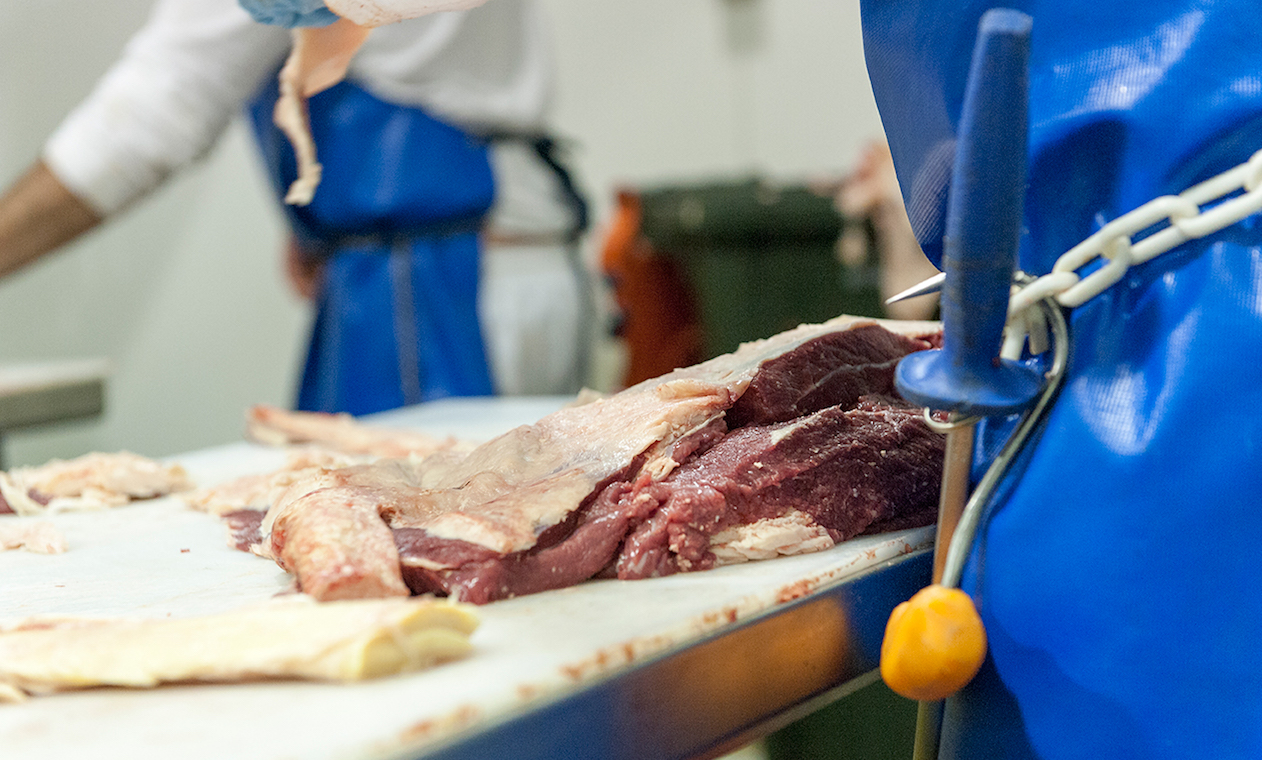
Responsibilities, not limited to;
- Breaking down beef, lamb and pork carcasses
- Slicing, boning and trimming meat for retail packaging
- Ensuring that all meat is handled and stored correctly
- Ensuring a clean, safe, and organised work environment
- Complying with all health, sanitation and legal regulations
- Complying with all company policies and procedures
Requirements;
- Experience in a quality retail butchery environment
- Works quickly and efficiently
- Energetic with a "can-do" attitude
- Works well in a team environment and independently
- Good hygienic practices
- Mature, honest, reliable and dedicated
- Well organised and shows attention to detail
- Willing to provide employment recommendations
Relationships
- Reports to Senior Butcher and Production Manager
Applications close on Friday September 30 or sooner for the right candidate.
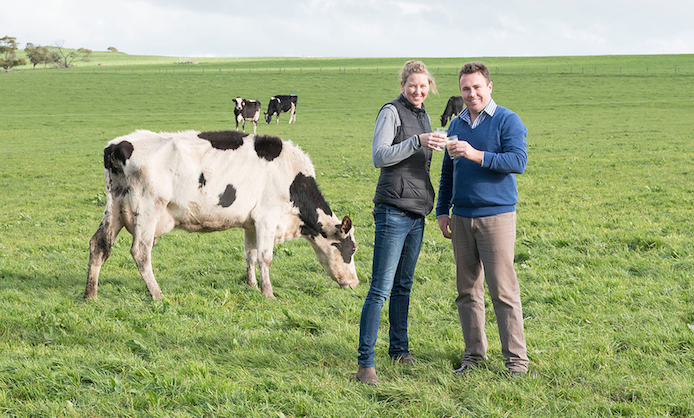
Koallah Farm milk has arrived
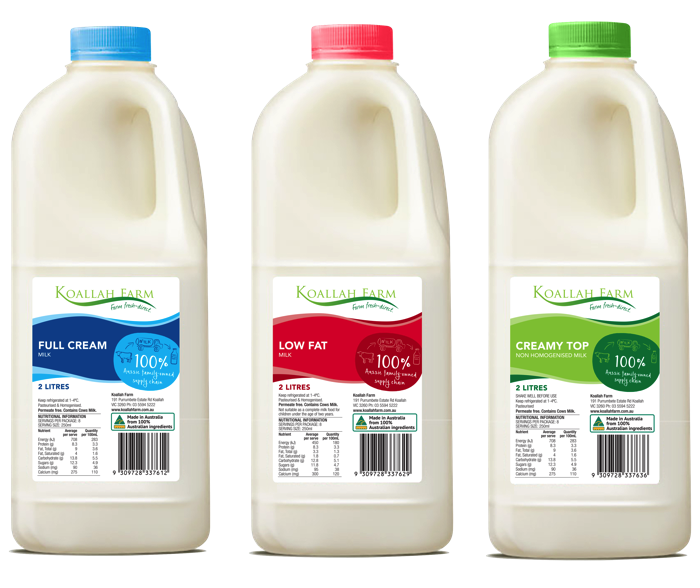 Koallah Farm’s new range of natural, additive-free milk hits the shelves today as the business continues to grow its trusted paddock to plate operations.
The fully integrated meat producer from just outside Camperdown has launched Koallah Farm Dairy, with full cream, low fat and non-homogenised varieties now available.
Managing director Steven Castle said his family had been dairy farming at Koallah for four generations and the decision to launch their own dairy brand was fast-tracked following recent milk price cuts by large dairy processors.
“We had always planned to expand into dairy products and ultimately the way farmers were treated earlier this year, including ourselves, has just expedited that move,” he said.
“It’s a natural progression for our business though because we are passionate about supplying customers with products that haven’t been manipulated or altered.
“We’re very much about keeping all our production at a sustainable level where the quality of our products is the result of healthy animals that are farmed naturally on pasture.”
Koallah Farm’s new range of natural, additive-free milk hits the shelves today as the business continues to grow its trusted paddock to plate operations.
The fully integrated meat producer from just outside Camperdown has launched Koallah Farm Dairy, with full cream, low fat and non-homogenised varieties now available.
Managing director Steven Castle said his family had been dairy farming at Koallah for four generations and the decision to launch their own dairy brand was fast-tracked following recent milk price cuts by large dairy processors.
“We had always planned to expand into dairy products and ultimately the way farmers were treated earlier this year, including ourselves, has just expedited that move,” he said.
“It’s a natural progression for our business though because we are passionate about supplying customers with products that haven’t been manipulated or altered.
“We’re very much about keeping all our production at a sustainable level where the quality of our products is the result of healthy animals that are farmed naturally on pasture.”
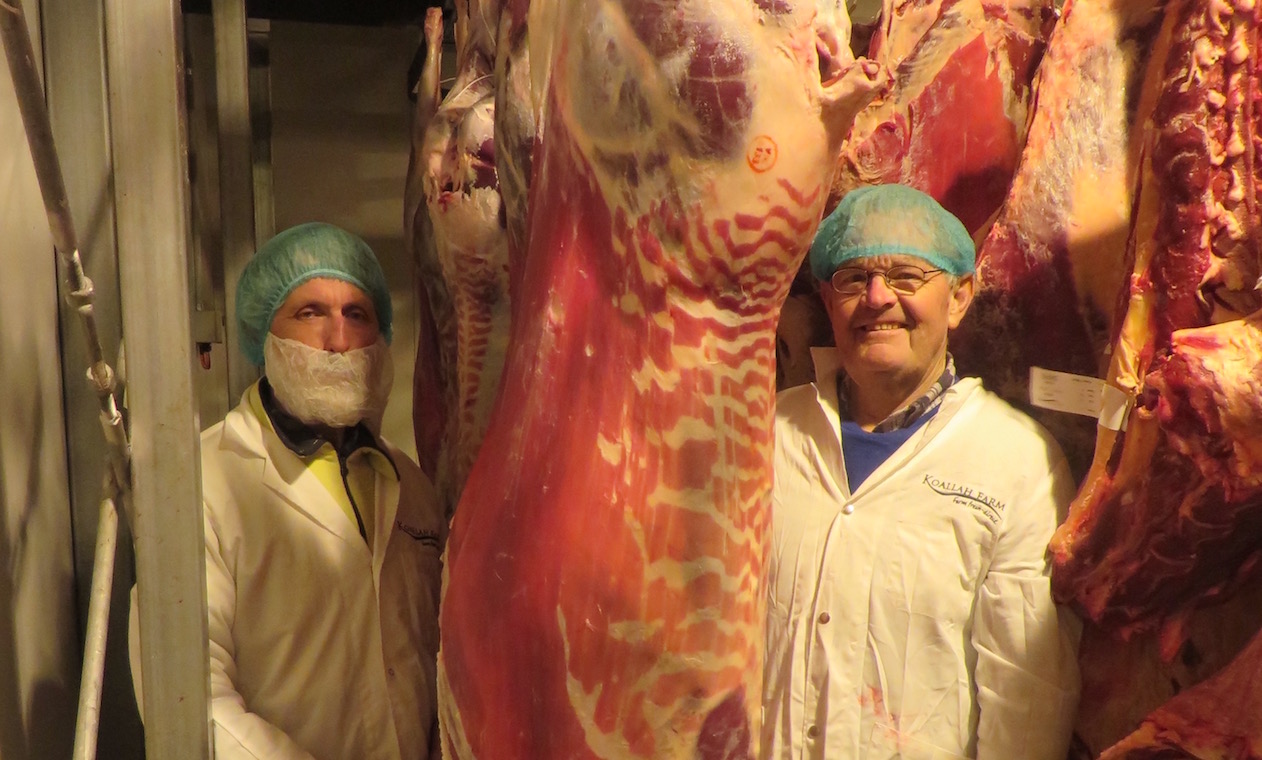
Deer, alpaca, llama & buffalo processing
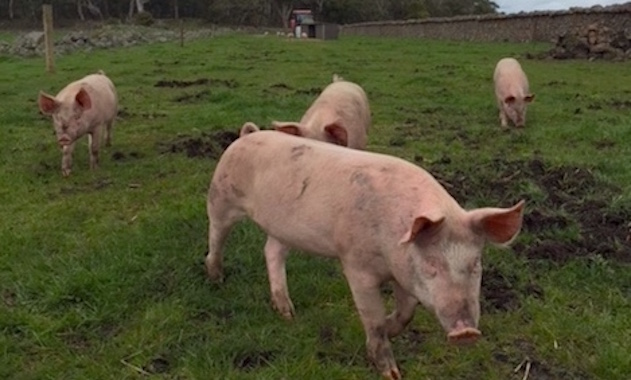
Free range pork, the Koallah Farm way
Growing pigs is a relatively new thing for the Castle family at Koallah Farm. In fact it was only last year, after our on-farm abattoir received its pork licence that we introduced pigs to our property for the first time.
Until that point we had relied on other reputable free range growers for our online pork sales and for our Simply Free Range butcher shops in Mt Waverley and Rosanna.
While we still rely on six other free range pig producers to breed our Koallah Farm approved animals, we’re now successfully raising the pigs right here on the farm.
We currently purchase 16 piglets every fortnight when they are weaned off their mothers at about 6-8 weeks of age. The piglets are brought to Koallah Farm and tended to daily in large paddocks where they have access to shelters and are free to do whatever they like and to grow at their own natural rate.
We’re lucky to have some stony rises country at Koallah Farm where underlying volcanic rock provides grazing areas that are less likely to become wet and boggy. This is important to us, because it means we can farm pigs without them causing long term damage to vegetation and the natural environment.
Access to pasture plays in important role in the diet of pigs. Aside from the succulent fresh grass, pigs forage beneath the surface where the soil and plant matter contains all sorts of natural minerals and proteins that keep them healthy. We also supplement their feed with a vegetable-based meal.
Depending on their individual growth rates, the pigs spend between 3-4 months at Koallah Farm until they reach processing weight. Each week, we process eight pigs in our boutique abattoir for your online orders and for our butcher shops in Melbourne.
At any one stage, we are now raising about 100 pigs at Koallah Farm. Controlling the environment they are grown in, their nutrition and they way they are cared for is important to us and to the quality of our pork products.
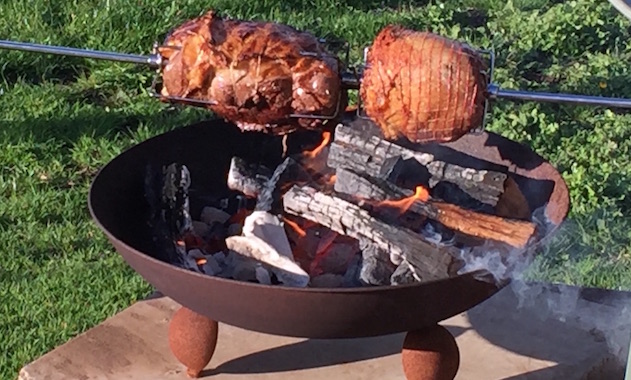
Why do we love the taste of smoke?
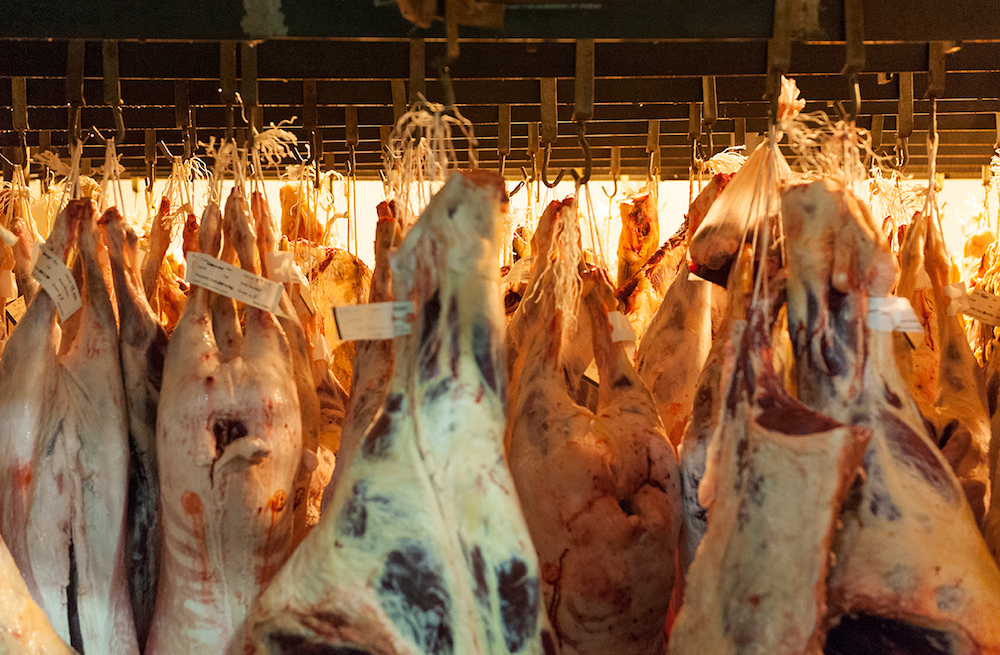 Experience in loading and unloading meat carcasses is preferred, but not essential.
Early morning starts are mandatory and it is estimated that the successful applicant will complete between 30-40 hours of work each week - Monday to Friday.
Remuneration will be negotiated with the successful applicant.
Good personal hygiene will be critical, as will the ability to physically lift hanging meat and boxed product.
If this sounds like you we’d love to hear from you. Please send a cover letter and current resume to [email protected] For further information please call Koallah Farm on 03 5594 5222. Applications close on Friday May 6 or sooner for the right candidate. More details and a Position Description can be downloaded here.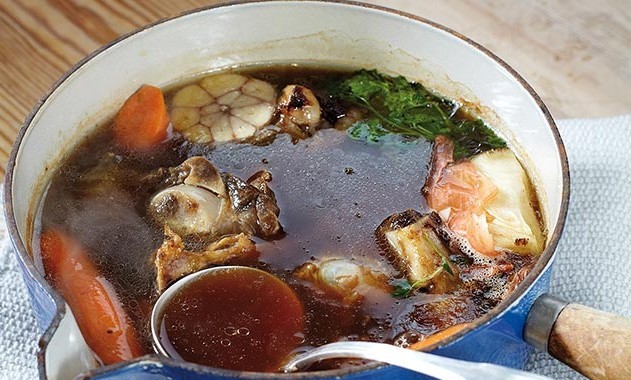
Make your own delicious beef stock
Ingredients
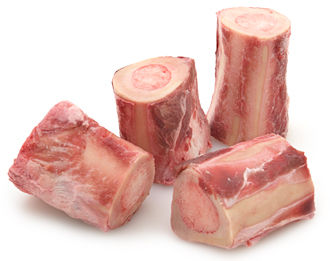 2 kilograms of marrow bones cut into roughly 50mm pieces
3 tablespoons of apple cider vinegar
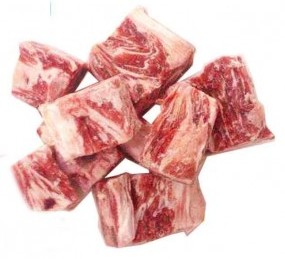
1.5 kilograms of meaty chuck, brisket or rib bones
3 onions
3 carrots
2 kilograms of marrow bones cut into roughly 50mm pieces
3 tablespoons of apple cider vinegar
1.5 kilograms of meaty chuck, brisket or rib bones
3 onions
3 carrots
 3 celery stalks
2 leeks (white part)
3 thyme sprigs
1 teaspoon of crushed black peppercorns
1 whole garlic bulb, cut in half across the cloves
2 handfuls of parsley stalks
3 celery stalks
2 leeks (white part)
3 thyme sprigs
1 teaspoon of crushed black peppercorns
1 whole garlic bulb, cut in half across the cloves
2 handfuls of parsley stalks
Method
Place the marrow bones in a stockpot or very large saucepan, add the vinegar and about 4 litres of cold water - or enough to cover the bones. Let it stand for one hour. Preheat the oven to 180 degrees celsius. While the marrow bones are soaking, place the meaty bones in a roasting pan and roast for half an hour, or until well browned. Then add the roasted bones and the vegetables, roughly chopped, to the stockpot or saucepan containing the marrow bones.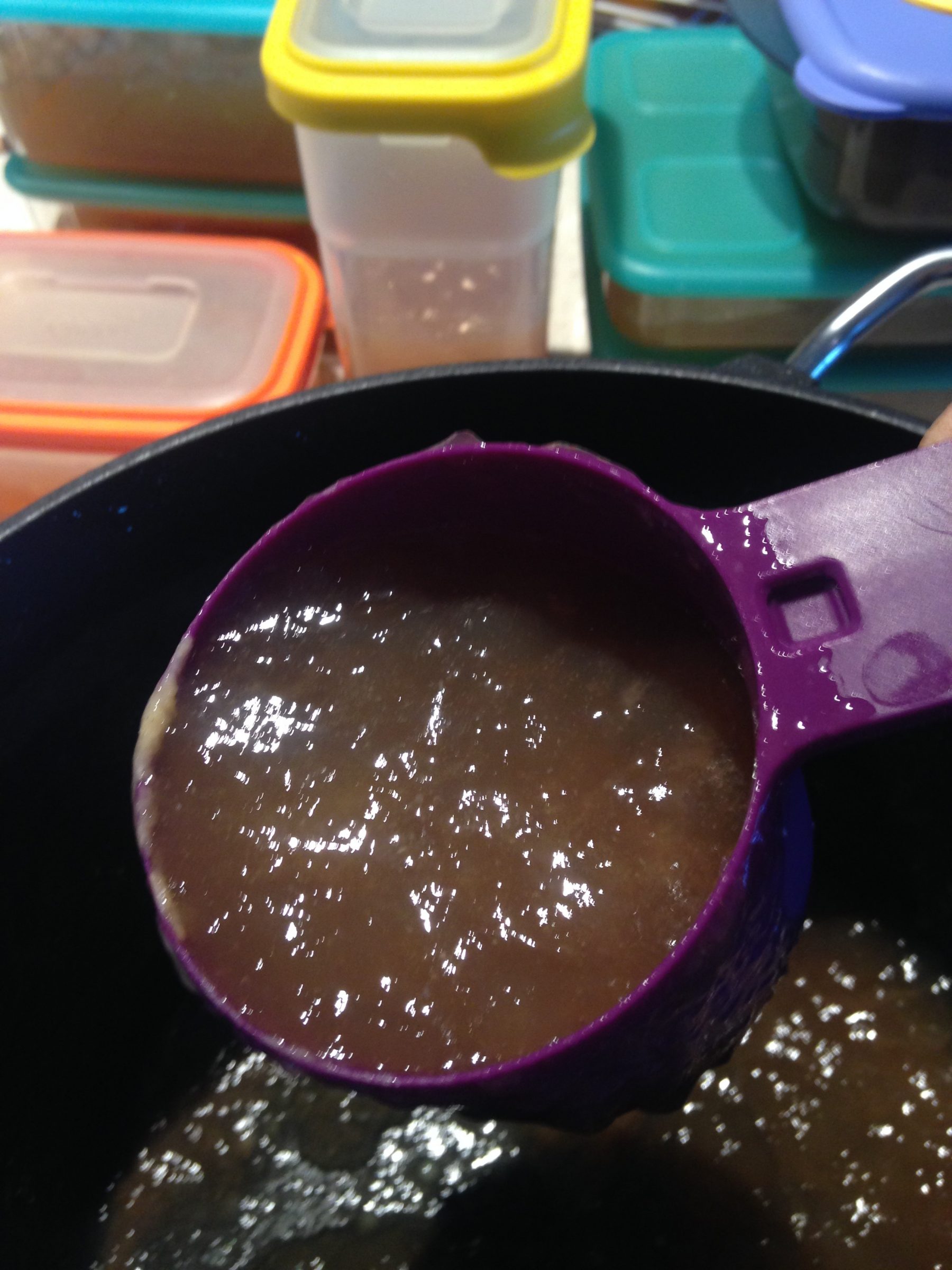 Transfer the fat from the roasting pan into a saucepan and add one litre of water. Place it over a high heat and bring to a simmer, stirring to make sure that no lumps coagulate. Then add this liquid to the bones and vegetables and add more water if required to cover the bones.
Bring the stock to the boil, skimming off the layer that rises to the top. Reduce the heat to low and add the thyme, peppercorns and garlic.
Simmer the stock for at least 8 hours. The longer you cook the stock the richer and better it will be. Just before the end of this period, add the parsley and simmer for another 10 minutes.
Strain the stock into a large container. Cover and cool in the fridge. Remove and discard the congealed fat that rises to the top. Transfer the stock to smaller, airtight containers and place in the fridge, or for longer-term storage, the freezer.
The stocks will keep for 2-4 days in the fridge and three months in the freezer.
Transfer the fat from the roasting pan into a saucepan and add one litre of water. Place it over a high heat and bring to a simmer, stirring to make sure that no lumps coagulate. Then add this liquid to the bones and vegetables and add more water if required to cover the bones.
Bring the stock to the boil, skimming off the layer that rises to the top. Reduce the heat to low and add the thyme, peppercorns and garlic.
Simmer the stock for at least 8 hours. The longer you cook the stock the richer and better it will be. Just before the end of this period, add the parsley and simmer for another 10 minutes.
Strain the stock into a large container. Cover and cool in the fridge. Remove and discard the congealed fat that rises to the top. Transfer the stock to smaller, airtight containers and place in the fridge, or for longer-term storage, the freezer.
The stocks will keep for 2-4 days in the fridge and three months in the freezer. 
Step-by-step meal planning guide
 We've developed a few tips to help you and your family (the kids will love to get involved) plan your meals and enjoy fresh, natural and healthy produce.
1) Sit down and work out what you would like your weekly plan to include in general terms. For example, each week would you like to have one stirfry meal, a pasta meal, a slow cooker/soup meal, a salad, steak or mince beef meal etc. This template will vary depending on how much meat you like to eat, your budget, household and likes/dislikes.
2) Think about maximising some cheaper cuts of meat, as well as treating yourself to some premium cuts. The slow cooker is a great way to turn things like lamb shoulder, gravy beef, osso bucco, chuck and ribs into family favourites.
We've developed a few tips to help you and your family (the kids will love to get involved) plan your meals and enjoy fresh, natural and healthy produce.
1) Sit down and work out what you would like your weekly plan to include in general terms. For example, each week would you like to have one stirfry meal, a pasta meal, a slow cooker/soup meal, a salad, steak or mince beef meal etc. This template will vary depending on how much meat you like to eat, your budget, household and likes/dislikes.
2) Think about maximising some cheaper cuts of meat, as well as treating yourself to some premium cuts. The slow cooker is a great way to turn things like lamb shoulder, gravy beef, osso bucco, chuck and ribs into family favourites.
 3) Decide on a handful of dinners that your family will enjoy regularly. These can form the foundation of your meal plan and rotate onto your dinner table every week or two. You might decide on 10 dinners, for example, that you use once every two weeks. This would leave two dinners a week to add variety to your meal plan and try new recipes and flavours.
4) Once you've decided on the look and feel of your meal plan, considered how you might use different cuts to stretch your protein dollars and developed your core dinner recipes, it's time to buy what you need. With our online ordering and free home delivery service, we would encourage you to order on Wednesday nights for Friday/Saturday delivery. This allows you to pick up your fresh fruit and vegetables on Saturday morning and kick off your first dinner for the week that night.
Nutrition Australia has some useful meal plan templates and recipes that might help you further here.
3) Decide on a handful of dinners that your family will enjoy regularly. These can form the foundation of your meal plan and rotate onto your dinner table every week or two. You might decide on 10 dinners, for example, that you use once every two weeks. This would leave two dinners a week to add variety to your meal plan and try new recipes and flavours.
4) Once you've decided on the look and feel of your meal plan, considered how you might use different cuts to stretch your protein dollars and developed your core dinner recipes, it's time to buy what you need. With our online ordering and free home delivery service, we would encourage you to order on Wednesday nights for Friday/Saturday delivery. This allows you to pick up your fresh fruit and vegetables on Saturday morning and kick off your first dinner for the week that night.
Nutrition Australia has some useful meal plan templates and recipes that might help you further here. 
The story behind our amazing beef
 When calving time approaches, our cows are checked at 5.30am, midday, at 5pm and again at 10pm. If we need to render assistance with a calving we do, but in the vast majority of cases the calves are born naturally in their paddocks.
The first 24 hours are very important for a calf, which needs a good feed of its mother's colostrum. Colostrum contains important antibodies which protect the calf from disease. While some farmers intervene in this process, we leave it to nature and the success rate is excellent.
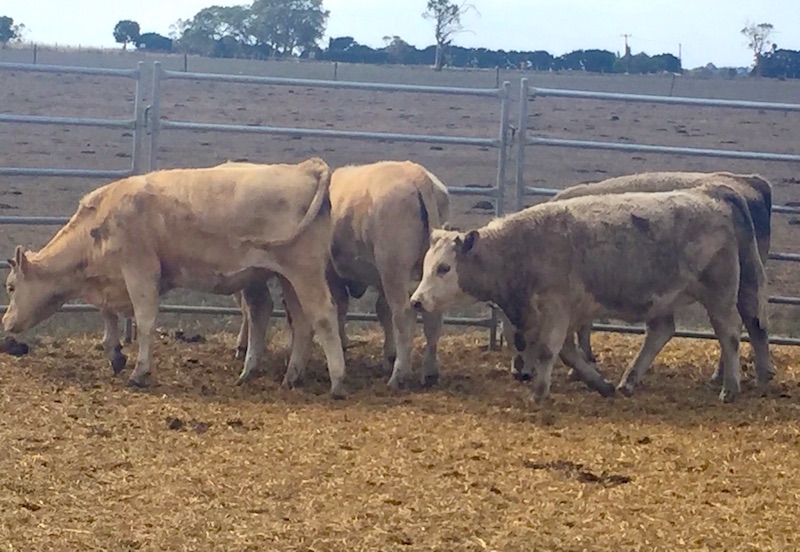
After about three weeks the calves will begin to eat grass from the paddocks and hay and silage when they want to. They remain with their mother and drink from her right through to processing. The cattle pictured here, for processing today, fed from their mothers until yesterday.
Sometimes seasonal conditions can make it very difficult to grow beef cattle to the standard our customers deserve.
If necessary, we can now supplement their feed with a specially designed pellet that meets pasture-fed certification guidelines. These animals didn't require it and reached our target 420kg weight on their mother's milk, pasture and fodder alone.
These cattle were separated from their mothers late yesterday and travelled less than 2km to our on-farm boutique abattoir at Koallah Farm. They spent last night together in a large soft floor pen. Cattle that spend nights on concrete can become stressed and get quite sore hooves and legs which can impact meat tenderness.
They were handled respectfully and processed by our own staff in our accredited facility at 6am this morning. The carcasses will be aged for about 10 days before being butchered for online orders and our shops in Mt Waverley and Rosanna.
Incidentally, their mothers are already about seven months pregnant with their next calf. They now dry off naturally and have two months to put all their energy into the health of their new calf before it is born and the process starts again.
So that's what we mean when we talk about pasture fed, free range beef. To us it means no antibiotics, no added hormones and plenty of wide open space where nature can take its course.
When calving time approaches, our cows are checked at 5.30am, midday, at 5pm and again at 10pm. If we need to render assistance with a calving we do, but in the vast majority of cases the calves are born naturally in their paddocks.
The first 24 hours are very important for a calf, which needs a good feed of its mother's colostrum. Colostrum contains important antibodies which protect the calf from disease. While some farmers intervene in this process, we leave it to nature and the success rate is excellent.
After about three weeks the calves will begin to eat grass from the paddocks and hay and silage when they want to. They remain with their mother and drink from her right through to processing. The cattle pictured here, for processing today, fed from their mothers until yesterday.
Sometimes seasonal conditions can make it very difficult to grow beef cattle to the standard our customers deserve.
If necessary, we can now supplement their feed with a specially designed pellet that meets pasture-fed certification guidelines. These animals didn't require it and reached our target 420kg weight on their mother's milk, pasture and fodder alone.
These cattle were separated from their mothers late yesterday and travelled less than 2km to our on-farm boutique abattoir at Koallah Farm. They spent last night together in a large soft floor pen. Cattle that spend nights on concrete can become stressed and get quite sore hooves and legs which can impact meat tenderness.
They were handled respectfully and processed by our own staff in our accredited facility at 6am this morning. The carcasses will be aged for about 10 days before being butchered for online orders and our shops in Mt Waverley and Rosanna.
Incidentally, their mothers are already about seven months pregnant with their next calf. They now dry off naturally and have two months to put all their energy into the health of their new calf before it is born and the process starts again.
So that's what we mean when we talk about pasture fed, free range beef. To us it means no antibiotics, no added hormones and plenty of wide open space where nature can take its course.